
The Artistic Architecture of a Sega Legend
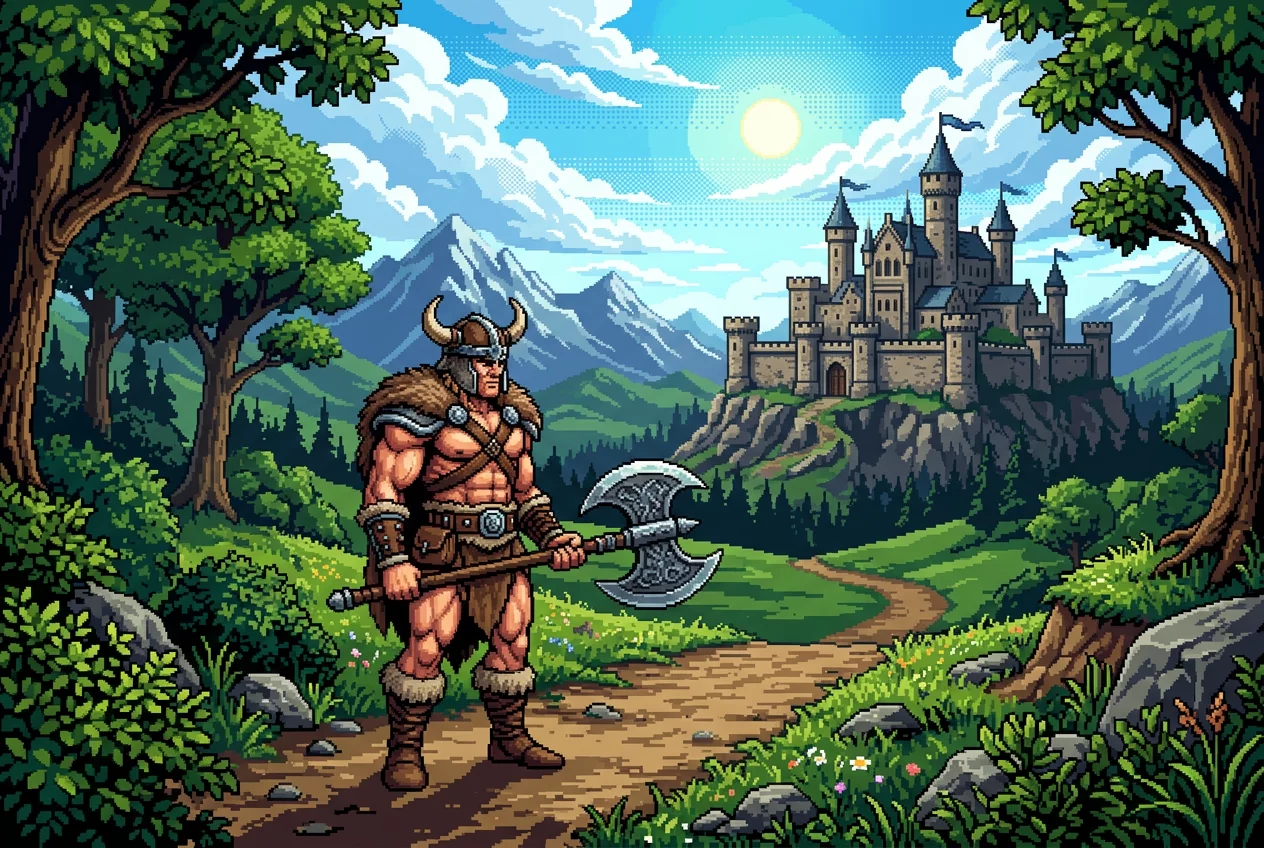
When discussing the pantheon of 16-bit legends, few titles hold the crown of visual innovation like this particular saga. It arrived at a time when developers were racing to prove that home consoles could mirror the depth of arcade cabinets. The journey didn't just provide a backdrop for conflict; it created an entire ecosystem of dark fantasy aesthetics that felt heavy, tangible, and remarkably sophisticated. The use of dithering to simulate lighting and the intricate sprite-work for the central figures remain benchmarks for the era.
Revolutionary Character Design
The protagonist's silhouette, defined by the iconic oversized weapon, broke away from the lithe, nimble heroes common in other platformers. There is a specific grit to the textures here—the rust on the iron, the fraying edges of the leather armor—that suggests a world with significant history. Even though modern players might seek a different experience online, the standalone artistic integrity of these sprites remains untouched by time. The developers understood that personality comes from movement, and the animation frames for even the smallest enemies were handled with meticulous care.
- High-fidelity 16-bit color palette with advanced shading techniques.
- Cinematic parallax scrolling that adds immense depth to the horizon.
- Orchestral-style FM synthesis soundtrack that redefined audio expectations.
- Distinctive art direction blending medieval grit with surrealist fantasy.
Retrospective analysis reveals a project that was ahead of its time. By focusing on atmospheric storytelling through environmental cues, the title managed to convey a grand narrative without a single line of spoken dialogue. It invited the player to fill in the gaps with their imagination, a trait often lost in today's over-explained digital landscapes. The Legacy of the axe continues to inspire modern indie developers who seek that perfect balance between pixel precision and thematic darkness.
Frequently Asked Questions
Why was the character design considered revolutionary?
It moved away from the typical cartoonish proportions of the time, opting for a weightier, more anatomically grounded aesthetic that made the fantasy world feel far more dangerous and mature.
How did it utilize the Sega hardware capabilities?
The title used custom coding to achieve more layers of parallax scrolling and a higher count of simultaneous colors than many titles of the same release window.
FantasyGeek
10/06/2026