
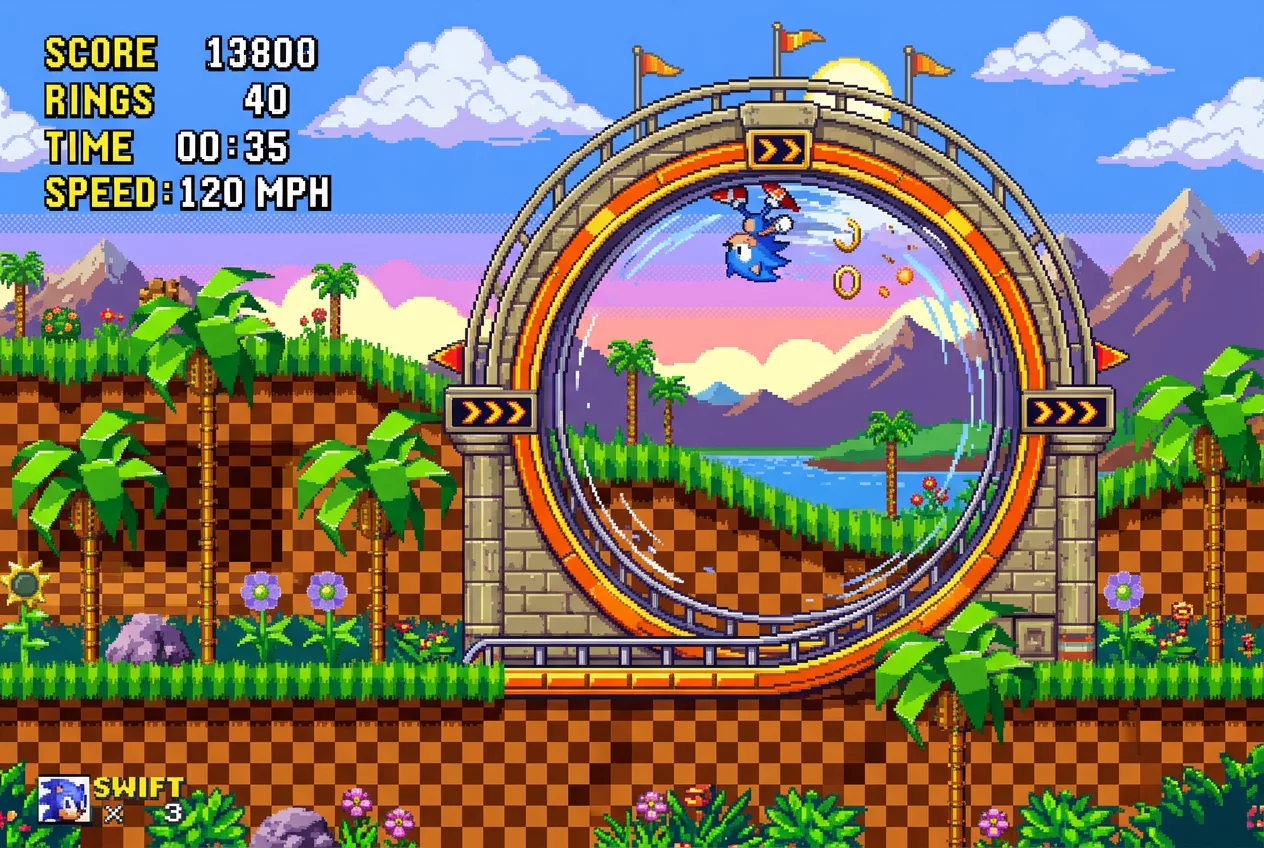
The Speedster Who Claimed the Crown
When the blue speedster first appeared, it wasn't just another platformer; it was a statement of intent. The project was designed to showcase the raw power of the hardware, using a vibrant color palette and scrolling speeds that were previously unthinkable on a home console. It effectively claimed the crown of coolness, positioning itself as the rebellious alternative to the established order of the early nineties. The character's attitude was reflected in every frame of animation, from the impatient tap of his foot to the way he curled into a lethal spinning projectile.
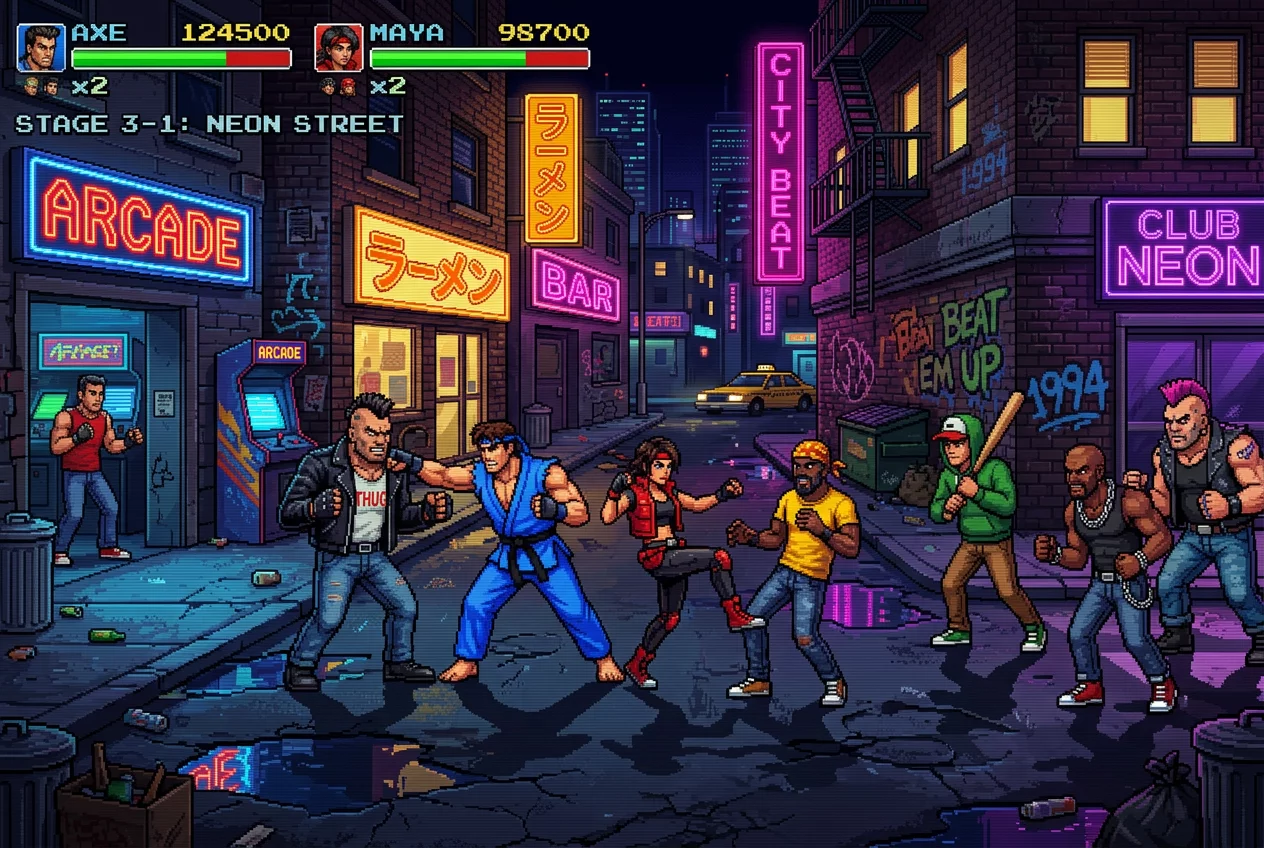
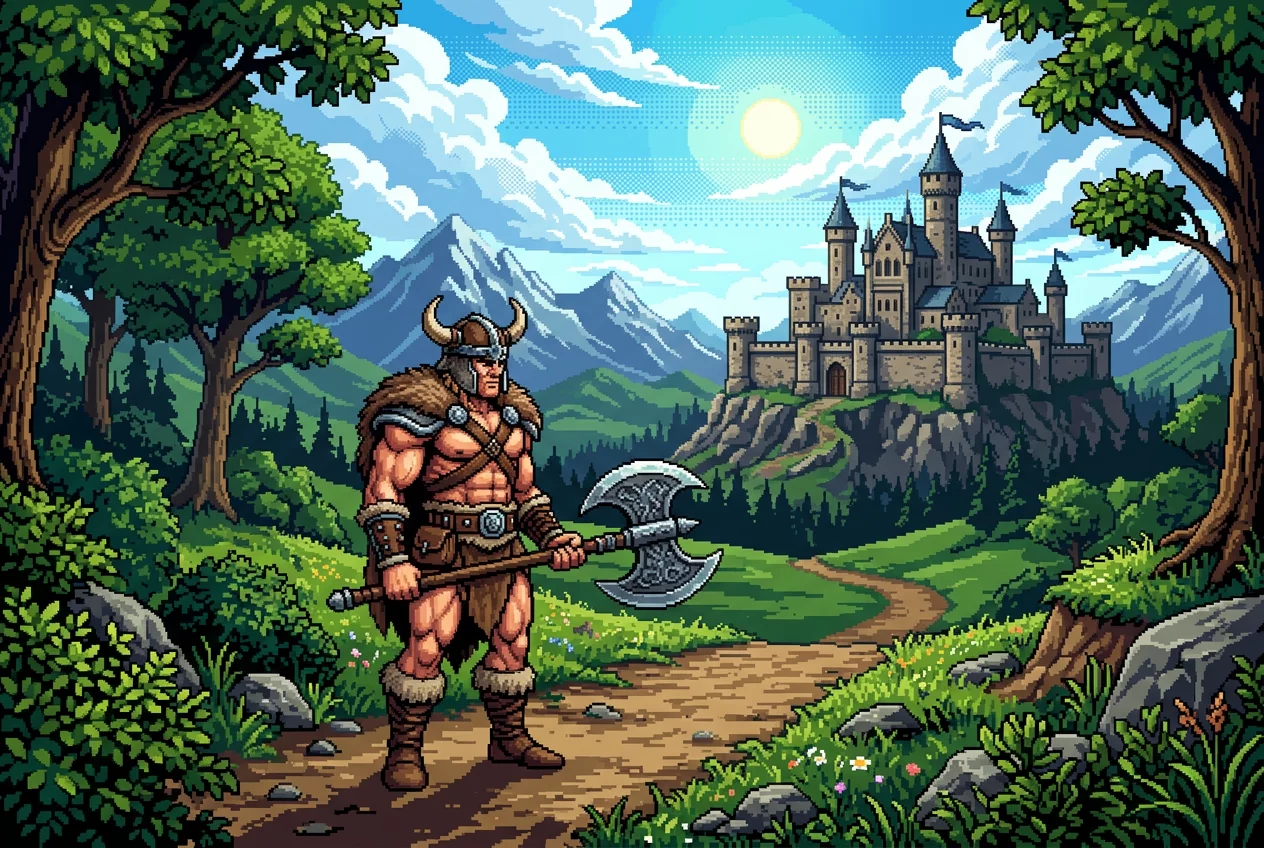
A Masterclass in Audio-Visual Design
The soundtrack of this era became the heartbeat of a generation. Each zone possessed a distinct sonic identity, blending pop sensibilities with synth-heavy melodies that remains iconic today. Visually, the contrast between lush greenery and the high-tech machinery of the later stages created a tension that drove the narrative forward. While many players look to modern online experiences for their thrills, the precision engineering of these 16-bit levels offers a purity of design that is rarely replicated in contemporary gaming.
- Revolutionary usage of parallax scrolling to simulate depth.
- Experimental character designs that broke the fourth wall.
- A timeless musical score that pushed the sound chips to their limit.
- Dynamic level design that rewarded exploration despite the frantic speed.
Ultimately, the impact of this series stretches far beyond the pixels. It influenced the way publishers thought about branding and character development in an increasingly crowded market. Even in today's landscape of complex simulators and massive multiplayer worlds, the simple joy of finding the perfect line through a complex loop-de-loop remains one of the purest highlights in gaming history. It taught us that speed was more than just a mechanic; it was a philosophy.
SegaMaster
2026-05-14