
A Visual Revolution in Neon and Primary Colors
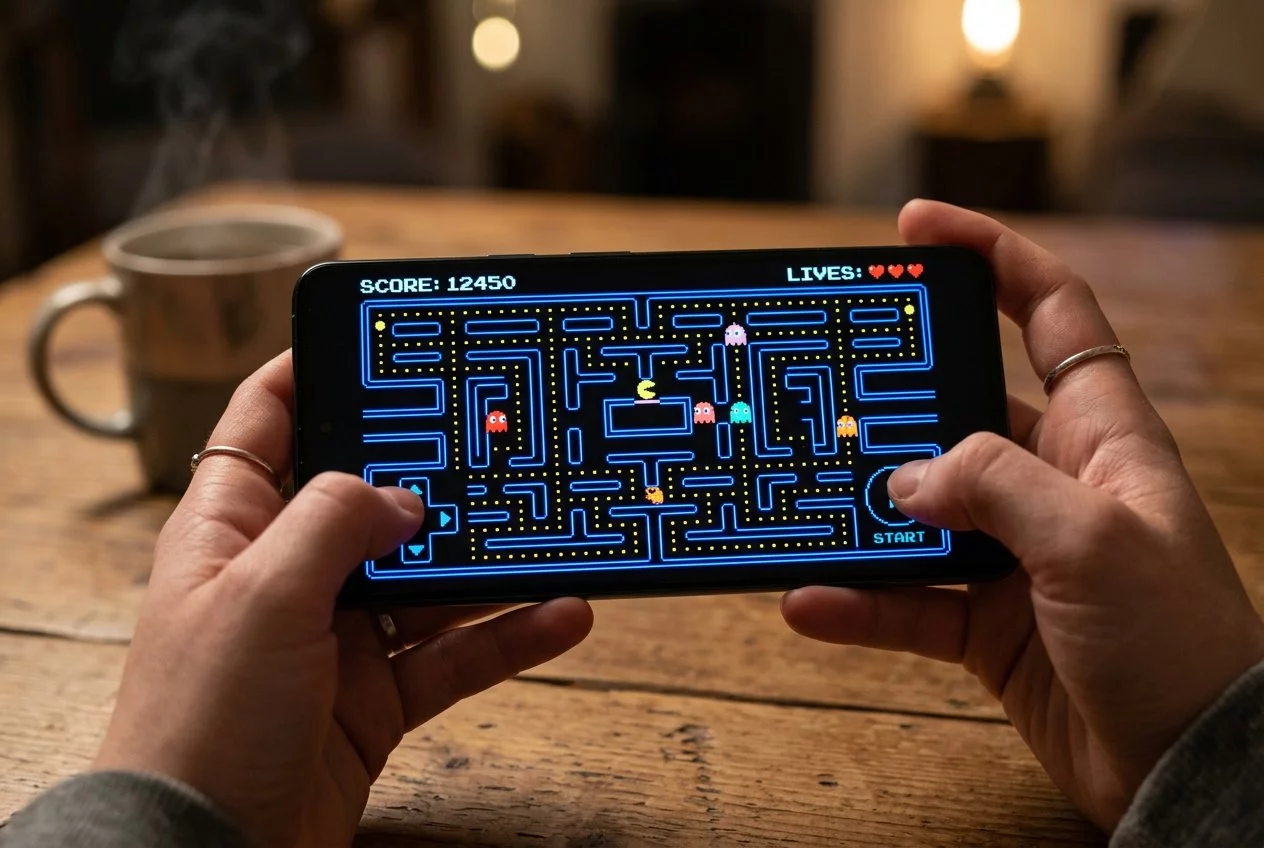
The appearance of the yellow maze icon on home consoles brought a distinct aesthetic shift. While other titles focused on monochromatic space battles, this masterpiece introduced a palette of vibrant neon blues against deep black backgrounds. It wasn't just a game; it was a piece of pop-art history that established a new standard for character design. It rightfully wears the crown of arcade simplicity, proving that limited hardware could still deliver a massive cultural punch.
Cultural Impact and Stylistic Foundations
The legacy of this circular hero extends far beyond the plastic shell of a Dendy cartridge. It influenced fashion, music, and even cinematography by introducing a protagonist with a distinct personality without saying a single word. In an era before the vast online databases we have today, the secrets of the maze were shared through word-of-mouth and fan zines. The symmetrical level design and the rhythmic pulse of the sound effects created a hypnotic experience that felt like a living digital painting.
- Geometric simplicity that redefined character branding for the digital age.
- Pioneering use of vibrant, color-coded antagonists with distinct movement patterns.
- Architectural level design that emphasized symmetry and spatial flow.
Exploring the origins of this title reveals how developers maximized technical constraints. The high-contrast visual style wasn't just a choice; it was a necessity that became iconic. It remains a foundational text for anyone studying the history of visual entertainment and the birth of gaming mascots.
MazeRunner
04/06/2026